

Built by people who think care management should feel like care.
CareAtlas runs Medicare care coordination — RPM, CCM, TCM, and APCM — for hospitals, practices, community health centers, and value-based organizations. Care navigators on the phone with patients. Licensed clinicians reviewing every chart. HealthQuilt, our proprietary platform, doing the documentation, the routing, and the billing in the background. Real people, supported by AI — not the other way around.
Patients deserve more than what happens between visits.
A Medicare patient sees their primary care physician three or four times a year. Their chronic conditions don't wait between those visits. CareAtlas was built to close that gap, the boring way — with a named human who calls, listens, and acts, and a platform that makes that human meaningfully smarter than they could be alone.


What goes wrong between visits
Vitals drift. Medications get skipped. A new symptom shows up on a Tuesday and waits until a Friday call-back queue. The data — the things a clinician would have caught in the room — accumulates silently. Most of it never reaches anyone until something has already gone wrong.

What CareAtlas runs
A dedicated care navigator who knows their name, calls them regularly, and helps them manage their conditions. A clinician who reviews every chart and signs every note. A primary care physician who keeps the long-term relationship and stays provider of record. Not a chatbot. Not an app. A person — and a quiet platform behind them that captures the things humans shouldn't have to remember.
A father-son story that started at a kitchen table.
The reason most CCM programs underperform is not the code set — it's that the monthly cadence collapses under workload. CareAtlas holds the cadence by doing the coordination work outside your staff's queue.
Travis Owen grew up with mainframes in the house and dinner-table conversations about healthcare data and interoperability — because his father, Dr. Charles "Buddy" Owen, was already trying to solve the same problem CareAtlas exists to solve, two ventures ago. Buddy is a board-certified emergency medicine physician who spent thirty-five years on shift in the ER, watching avoidable admissions arrive at 2 a.m. The question he kept asking — at the kitchen table, on shift, between ventures — was always the same: isn't there more we could do for patients before they hit the ER?
Buddy founded EmSTAT in 1988 — one of the first emergency-department information systems — to make the ER itself less chaotic. He later co-founded Afoundria, the Austin-based health-IT company behind ChartPath, to give post-acute care providers a charting platform that didn't slow them down. CareAtlas is the third venture, and the one that puts everything in front of the ER door instead of behind it.
Travis founded and runs the company. Buddy serves as Chief Medical Information Officer — the same role he held at Afoundria — and owns clinical strategy. Two generations of the same question, finally with an operating model that pencils.
The first cohort was 145 high-risk Medicare patients across a Texas service area. 89% were 65 or older. 38% had COPD. 24% had CHF. We tracked everything: device adherence, monthly touches, escalations, readmissions, voluntary churn. After ten months, the cohort's 30-day readmission rate was 14.8% — against a CMS benchmark of 19% for the same population. A 23% relative reduction. About 85% of patients were still with us at six months. HIMSS recognized the work at HIMSS26 — Emerge Experience Winner's Circle, Hospital Systems category. The recognition is welcome. The proof is in the cohort. The model worked. CareAtlas exists to run it everywhere it's needed.
2025
Founded
145
Patient
cohort
23%
Readmission
reduction
2026
HIMSS Emerge
Winner's Circle
A founder-led team.
Clinical depth on the bench.
CareAtlas is run by four people who have operated chronic-care programs, built the platform layer, and shipped health-IT products before — backed by a Clinical Advisory Council of working clinicians who pressure-test every workflow before it ships.
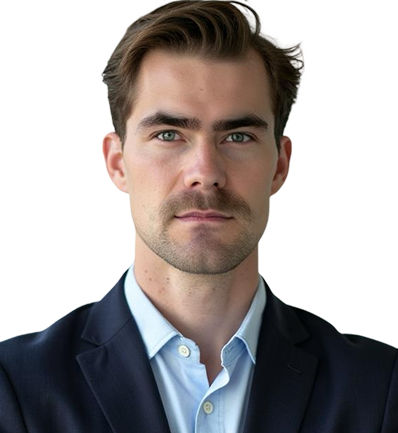
Travis Owen
Founder & CEO

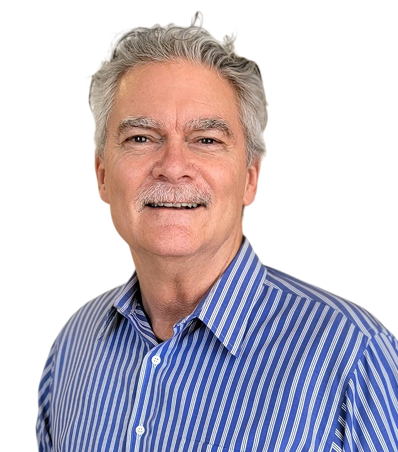
Dr. Charles "Buddy" Owen, MD
Medical Director and CMIO

Brian Tom
Chief Technology Officer
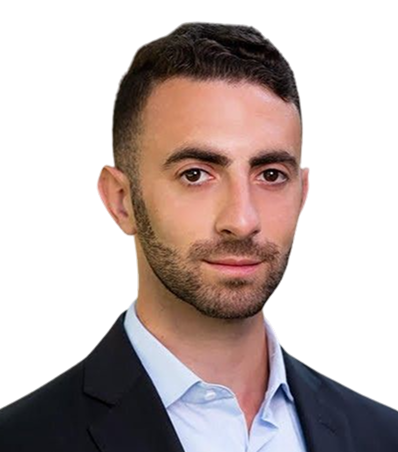
Patrick Emad
Chief Operating Officer
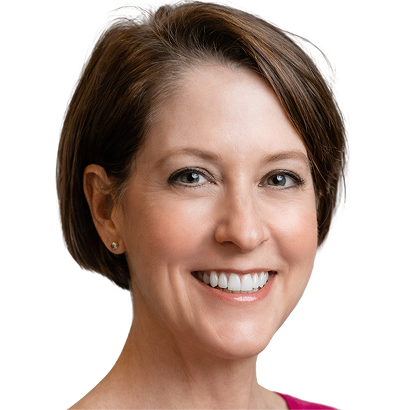
Megan Thomasch, MD
Chief Medical Officer
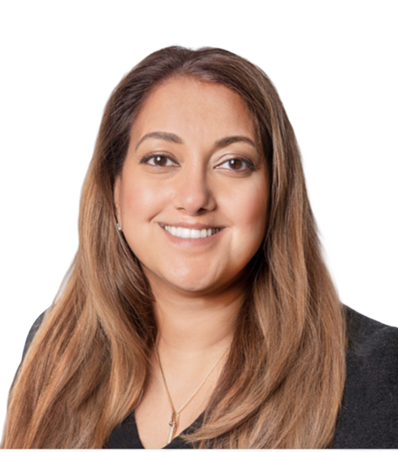
Anita Samarth
Clinical Advisory Council
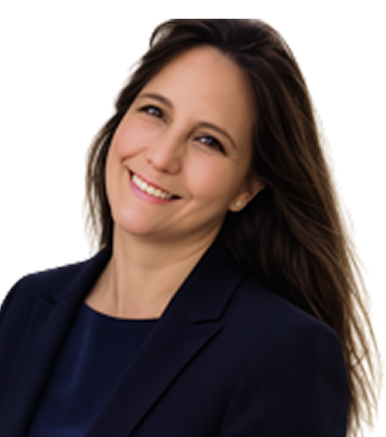
Claudia Perez
Clinical Advisory Council
Five things that shape every product decision.
When we have to choose between two paths — a feature, a hire, a deal, a model — we choose the one consistent with these. They're not posters in a hallway. They're the tiebreakers.
01
Humans deliver the care.
AI prepares the human.
HealthQuilt's AI agents brief navigators before calls, draft notes during them, triage RPM readings, and rank care gaps. None of them talk to the patient. All of them make the human on
the call better-prepared than they could be alone.
02
The PCP relationship is the
long-term relationship.
Whether a hospital, a practice, or a community health center is the partner, the primary care physician stays provider of record where the structure allows it. Coordination is what we run. The patient-physician relationship belongs to the physician.
03
Documentation should be a by
product of the work, not extra work.
Every minute, every qualifying touch, every required element of a CCM / TCM / APCM encounter is captured structurally as it happens. Month-end is a report, not a reconstruction project.
04
Reimbursement is real.
Operating capacity is the gap.
The Medicare programs that pay for this work pay reliably. What's missing in most organizations isn't the revenue opportunity — it's the operating capacity to run a credible program. CareAtlas is that capacity, delivered as a partnership with no upfront investment and no new hires required.
05
Boring is durable.
Care management works when it happens on schedule, every month, for years. The patients who do best are the ones whose navigator they recognize by voice. We build for the long pattern, not the demo moment.
We're hiring for the long pattern, not the demo moment.
CareAtlas is a founder-led team that operates on EOS — 90-day priorities, a weekly scorecard, a weekly Level-10. We're small on purpose, and every hire is structural. If you want to ship work that compounds over years inside Medicare, this is a good seat.